 SENGER STEELChina manufacturer & supplier
H Beam vs I Beam: Differences and How to Choose
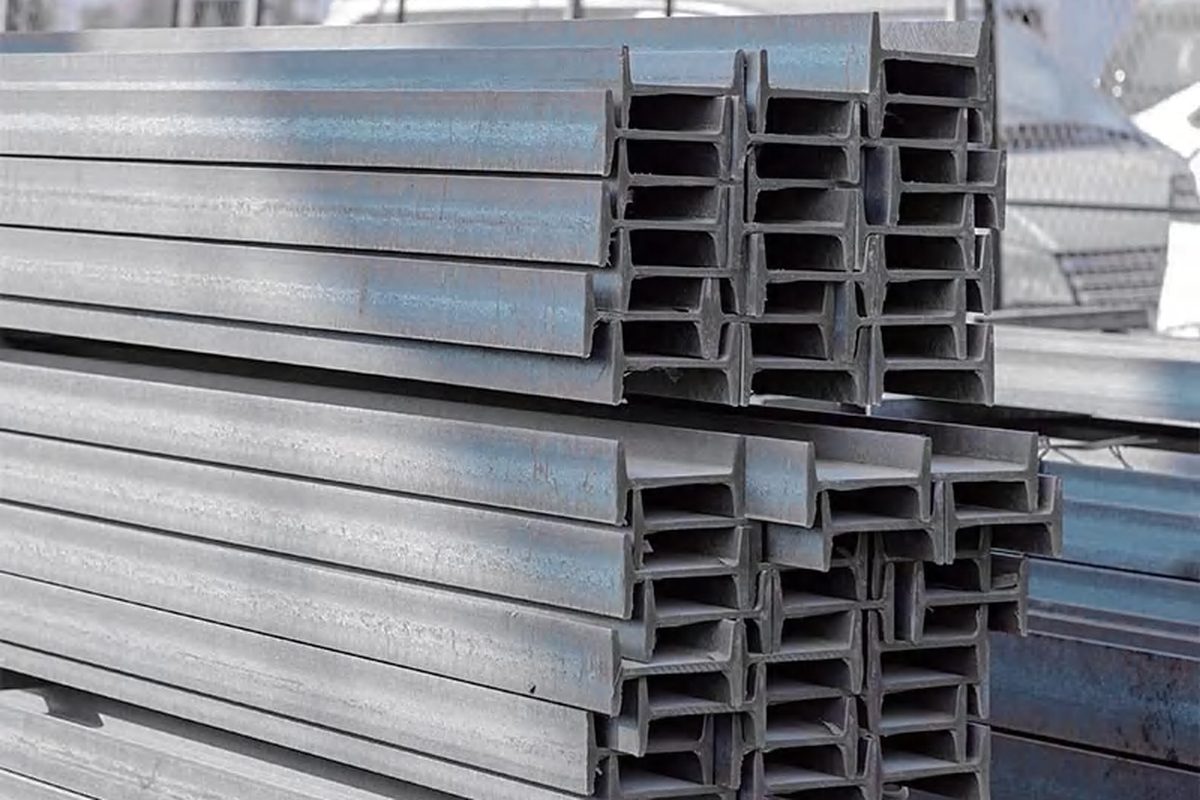
Buyers often use H beam and I beam interchangeably, and suppliers sometimes let them. For most standard frames it does not matter, but for long spans and heavy columns the difference is real.
The geometry difference
An H beam (universal column style) has parallel flanges of nearly constant thickness, with the two flanges perpendicular to the web. An I beam in the Chinese and Japanese sense has tapered flanges and a thinner web relative to its height. The H shape distributes load in both directions more efficiently.
Performance in practice
- Bending along the strong axis: I beams are efficient for floor and roof beams at modest spans.
- Columns and biaxial loading: H beams win because the wider flanges resist buckling in both axes.
- Connections: parallel-flange H beams bolt to plates and other members more simply.
- Weight efficiency on long spans: wide-flange H beams typically carry more per kilogram.
Which to order
For warehouse columns, long-span roofs and heavy racks, specify H beams. For secondary floor beams, lintels and light frames, standard I beams are usually cheaper. If your drawings call for HEA/HEB European profiles, order H beams to EN 10034; if they call for Chinese 10#-63# sections, that is an I beam to GB/T 706.
Our supply range
We roll and supply H beams from 100x100 to 900x300 mm and I beams from 10# to 63#, in Q235B, SS400, S235JR and S355JR, cut to length and bundle-packed for export.
Related reading
Buying steel from China?
Send your specification - quotation within 48 hours.
Request a Quotation
Send the form and it opens WhatsApp with your inquiry ready to go. We reply within 48 hours with a costed quotation.