 SENGER STEELChina manufacturer & supplier
Hot Rolled vs Cold Rolled Carbon Steel Plate: A Buyer's Guide
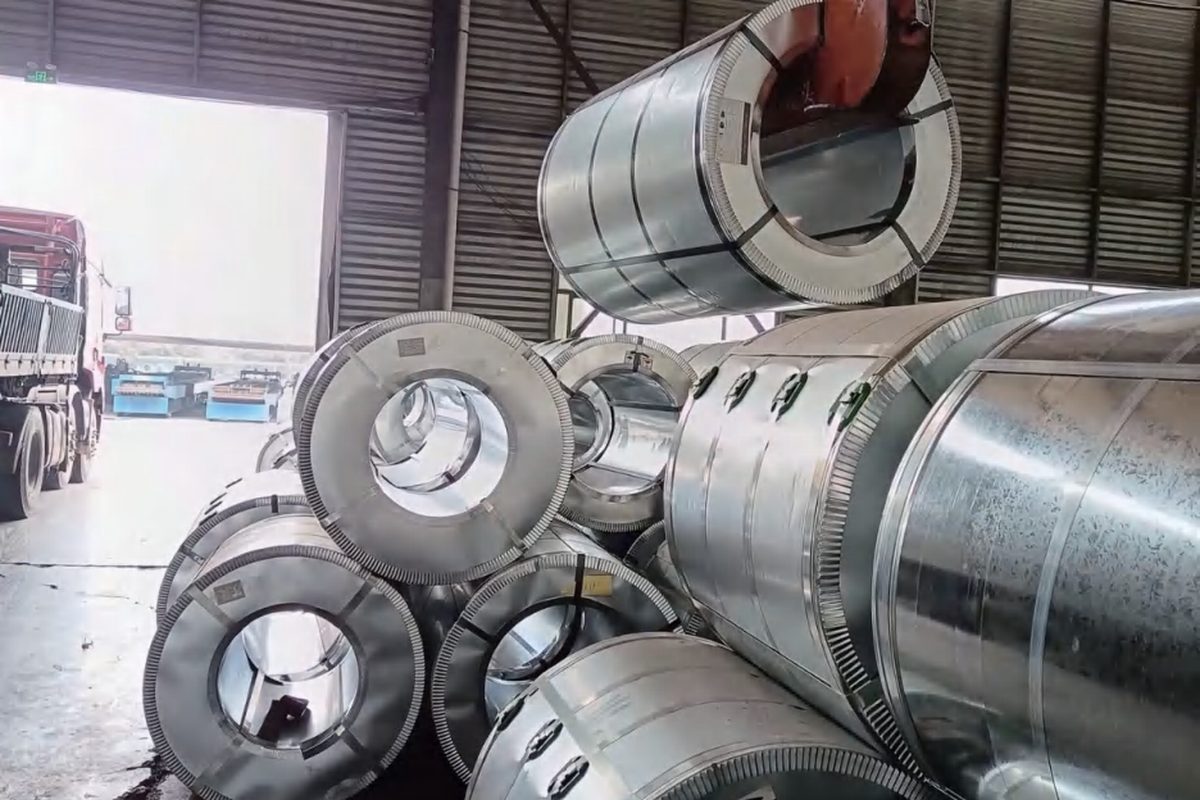
Hot rolled and cold rolled describe the last rolling temperature of the steel. The difference drives surface finish, dimensional tolerance, mechanical properties and price, so specifying the wrong one either wastes money or causes fabrication problems.
Hot rolled: strength and economy
Hot rolled plate and coil finish above recrystallization temperature. Dimensions drift slightly and the surface carries mill scale, but the price is lower and the material forms and welds easily. It is the right choice for structural plates, frames, tanks and anything that will be welded and painted anyway.
Cold rolled: precision and finish
Cold rolled sheet starts from hot rolled pickled coil and finishes below recrystallization temperature. Tolerances are tighter, the surface is smooth and scale-free, and the cold work raises yield strength. Appliances, automotive panels and precision parts specify cold rolled.
Quick comparison
- Thickness: hot rolled 3-200 mm plate; cold rolled typically 0.3-3.0 mm sheet.
- Surface: hot rolled has mill scale; cold rolled is bright and smooth.
- Tolerance: cold rolled holds +/-0.02-0.05 mm; hot rolled runs looser.
- Price: cold rolled costs roughly 15-25 percent more than hot rolled at the same gauge.
How we supply
We stock hot rolled plate in Q235B, SS400, A36 and S235JR up to 200 mm thick, and supply cold rolled sheet and coil in the main commercial gauges. Both ship with EN 10204 3.1 mill test certificates.
Related reading
Buying steel from China?
Send your specification - quotation within 48 hours.
Request a Quotation
Send the form and it opens WhatsApp with your inquiry ready to go. We reply within 48 hours with a costed quotation.